Commercial Dishwasher Sizing Guide
Estimate racks per hour, plates per hour, peak meal returns, dishroom space, and utility needs before sizing a dishwasher.
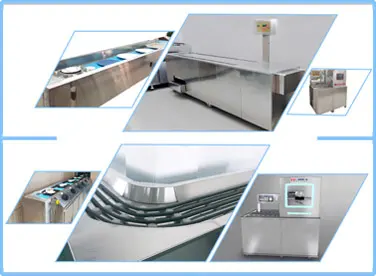
Commercial dishwasher sizing guide helps buyers estimate peak demand, racks per hour, plates per hour, dishroom space, and utility needs before they request a quote. It also helps compare commercial dishwasher types and check commercial dishwasher capacity early in the project.
Start with the peak return window
Sizing should start with the busiest 60 to 90 minutes of service, not the daily average. Count plates, bowls, trays, cups, cutlery baskets, pans, crates, and containers on their own, because each load type changes the machine choice.
To estimate racks, convert the peak return load into rack counts and then add margin for rewash, growth, and service spikes. A restaurant may need racks per hour. A school may need trays per meal period. A central kitchen may need both plates per hour and crate or pan washing capacity.
Match capacity to machine type
Hood type machines suit moderate batch washing. Rack conveyor dishwashers suit higher rack flow. Flight type dishwashers suit continuous institutional tray and plate returns.
If pans, crates, totes, or insulated boxes are part of the workload, size them separately. Dedicated pan washers and crate washers keep heavy items from slowing the main tableware line. That is often the cleanest way to match commercial dishwasher capacity to the real workload.
Check space and utilities before final sizing
A machine may have enough capacity on paper and still fail if the room cannot load, unload, drain, power, vent, or service it. Confirm dirty sorting, pre-wash, machine length, drying, clean landing, and maintenance access.
Oberon can turn peak counts, item sizes, utility data, and layout drawings into a recommended dishwasher type and project plan.
Core specifications at a glance
- Core specification: Peak racks, trays, or plates per hour
- Project check: Capacity + space + utilities
Frequently asked questions
What size commercial dishwasher do I need?
You need a size that matches peak racks per hour, item mix, dishroom space, staff flow, and utilities. Start with the busiest service period rather than total daily volume.
How do I estimate racks per hour?
To estimate racks, count items during peak return time, convert them into rack loads, then add margin for rewash, growth, and unexpected peaks.
When is a flight type dishwasher required?
A flight type dishwasher is usually considered when volume is continuous, meal windows are short, and tray or plate flow is too high for batch or rack conveyor loading.
Should pans and crates be included in dishwasher sizing?
They should be counted, but they often need a separate utensil, pan, crate, or container washer so the main tableware line keeps moving.
Related reading
For a deeper comparison, review commercial dishwasher types and match them to workload, space, and utility limits.