Commercial Dishwasher Water Temperature
Plan commercial dishwasher water temperature for wash tanks, final rinse, sanitation, recovery speed, and project utilities.
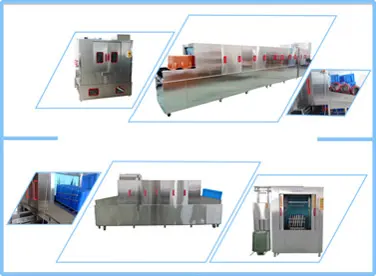
Commercial dishwasher water temperature affects cleaning, sanitation, drying, utility load, and compliance. Buyers should plan wash tank temperature, final rinse performance, and recovery capacity before ordering equipment.
Why temperature matters
Commercial dishwashers rely on heat, detergent, spray pressure, and contact time working together. If wash water is too cool, grease and starch remain on ware. If final rinse recovery is weak, sanitation and drying performance may suffer during peak service.
High-temperature machines typically use hot final rinse for sanitation and drying. Low-temperature machines rely more on chemical sanitizer, so concentration, contact time, and staff control become more important.
Plan temperature by machine type
Undercounter and hood type machines may be limited by site hot-water supply and booster capacity. Conveyor and flight type systems need stronger recovery planning because they process racks or tableware continuously.
For large systems, heat recovery can reduce energy demand by using exhaust or waste heat to preheat incoming water. This matters most where operating hours, rack volume, and rinse demand are high.
Temperature troubleshooting checklist
If dishes leave wet, greasy, streaked, or unsafe, check tank temperature, final rinse temperature, rinse pressure, detergent dosage, water hardness, rack loading, and spray arm condition. Temperature is important, but it is not the only variable.
Oberon reviews incoming water, power, ventilation, capacity, and hygiene goals before recommending a high-temperature, low-temperature, conveyor, flight type, or specialized warewashing configuration.
Core specifications at a glance
- High-temp focus: Hot final rinse and drying
- Project input: Incoming water, power, recovery demand
Frequently asked questions
What temperature should a commercial dishwasher use?
The correct temperature depends on machine type, sanitizer method, local hygiene rules, and the equipment manual. Confirm wash and final rinse requirements during project planning and commissioning.
Why is my commercial dishwasher not reaching temperature?
Possible causes include low incoming water temperature, undersized heating power, scale on heating elements, faulty sensors, heavy peak demand, or incorrect machine settings.
Do conveyor dishwashers need more heating capacity?
Often yes. Conveyor and flight type systems process more racks or plates per hour, so heating and recovery capacity must match continuous operation.
Can heat recovery reduce operating cost?
Yes. Heat recovery can preheat incoming water and reduce energy demand, especially on larger conveyor and flight type warewashing systems.