Commercial Dishwasher Installation Requirements
Review commercial dishwasher installation requirements for water, drainage, power, ventilation, workflow, and service access.
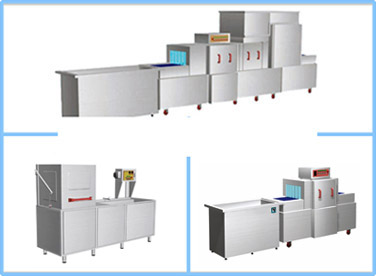
Commercial dishwasher installation requirements include water supply, drainage, electrical power, ventilation, layout, loading flow, commissioning, and maintenance access, and early coordination helps avoid expensive dishroom modifications later.
Water supply and drainage
Confirm incoming water pressure, water temperature, pipe size, filtration, softening needs, and shutoff access before installation, because hard water can deposit scale in tanks, nozzles, heating elements, and rinse systems. Drainage must handle peak discharge without backing up into the dishroom, and floor slope, trap position, grease management, and cleanout access should all be verified before equipment arrives.
Electrical power and ventilation
Commercial dishwasher electrical requirements can be substantial, because pumps, tank heaters, rinse boosters, conveyors, dryers, and controls all contribute to load. Final power needs depend on voltage, phase, heating method, model, site rules, and local code, while high-temperature, conveyor, and flight-type systems can also introduce heat and moisture that must be balanced through ventilation, exhaust, and heat recovery.
Layout, access, and commissioning
Plan a clear dirty-to-clean flow: sorting, scraping, pre-wash, loading, washing, unloading, drying, inspection, and storage. Staff should not move clean ware back through dirty zones. After installation, verify water fill, heat recovery, detergent dosing, rinse pressure, temperatures, leaks, safety switches, emergency stops, and real test loads before full operation begins.
Core specifications at a glance
Search flow moves from keyword review to SERP review and then to a medium demand estimate that reflects the observed competitor landscape.
Intent: installation planning / project readiness.
Utilities: water, drainage, power, ventilation.
Workflow: dirty-to-clean flow and service access.
Frequently asked questions
What utilities does a commercial dishwasher need?
Most commercial dishwashers need water, drainage, electrical power, detergent connections, and sometimes ventilation or exhaust. Exact requirements depend on the model and project layout.
Does a commercial dishwasher need ventilation?
Many high-temperature, conveyor, and flight-type dishwashers need ventilation planning because they release heat and moisture. Heat recovery options can reduce exhaust load in some projects.
How much clearance should be left around the machine?
Clearance should allow loading, unloading, door opening, filter removal, panel access, pump service, and safe technician movement. Use the manufacturer layout drawing for final dimensions.
Can Oberon help plan installation before purchase?
Yes. Oberon can review floor plans, utilities, workflow, and item dimensions before recommending equipment and installation requirements.